About This Project
The pillbug Armadillidium vulgare is a common isopod generalist decomposer in most natural landscapes. Past European and US studies have looked at the genetic diversity and frequency of A. vulgare and its feminizing sex ratio distorters, Wolbachia and the f-element. No studies have focused on purely urban environments. This study investigates whether the genetic diversity of A. vulgare and the prevalence of its sex ratio distorters differ between urban and non-urban environments.
Ask the Scientists
Join The DiscussionWhat is the context of this research?
A. vulgare is a common terrestrial isopod which most people have seen. It is harmless and easy to collect. Genetic variation in A. vulgare is easy to sequence and compare using the mitochondrial DNA (CO1) region of the sample and 20 existing genetic haplotypes (Durand, 2023). The sex ratio distorters that cause feminization of male pillbugs are also easy to identify and compare using Sanger sequencing (Kuhn in progress). To our knowledge, no studies have focused on pillbugs living in the urban landscape. The urban ecosystem may present unique selective pressures including habitat fragmentation and reduced gene flow.
What is the significance of this project?
This project is significant to investigating the ecological and evolutionary biology of these organisms. On a larger scale, it might provide insight to whether sex ratio distorter feminization increases or decreases based on reduced gene flow in urban soil fragmented habitats and if this possibly shapes the population genetics of A. vulgare. Sex ratio distorters in A. vulgare can skew the expected 50/50 male female ratio in the direction of females (Leclercq, 2016). It would be interesting to see if the expected reduction in gene flow in an urban setting influences the effect of these distorters through the feminization of males. The project would also give a picture of A. vulgare genetic haplotype diversity within cities (small scale geographic distance) and between cities (large scale geographic distance).
What are the goals of the project?
We will determine the geographic distribution of Wolbachia and the f-element in urban landscapes and compare the genetic diversity of these sex-ratio distorters. In addition, we will compare pillbug haplotypes to get a better idea of pillbug genetic diversity in habitat fragmented cities. Lastly, we will compare urban areas across the US to see evolutionary and ecologic patterns emerge. Pillbug collection will be locally sourced by our team and through crowdsourcing of pillbugs collected by teachers and their students or citizens local to cities. We expect the project to start in the fall of 2026. The experimental design will include sexing and tissue dissection of pillbugs, DNA extraction from the dissected tissues, PCR of the extracted DNA for CO1, Wolbachia and f-element genes, Sanger sequencing of the PCR product for each primer set, and bioinformatic comparison using alignment software (Geneious).
Budget
The DNA extraction kits will allow us to extract pillbug and Wolbachia DNA from pillbug tissues. Sanger sequencing will be essential for comparing genetic differences across urban landscapes.
Endorsed by

 Project Timeline
Beginning in spring 2026, we will begin collecting pillbugs from local areas and through crowdsourcing from outside our area. DNA extraction, PCR and sequencing of the should begin in fall 2026 and be completed by February 2027. Data analysis through bioinformatics will be completed by April 2027 and findings shared at our high school research symposium in May 2027. Students will begin developing a manuscript for the peer reviewed Journal of Emerging Investigators in fall of 2027.
May 31, 0026
Create crowdsource campaign for urban pillbugs
Jul 31, 0026
Collect local pillbugs and accept crowdsourced pillbugs
Sep 30, 0026
DNA extraction of collected pillbugs
Nov 30, 0026
PCR of extracted DNA
Mar 31, 0027
Bioinformatic Analysis
Meet the Team
Affiliates
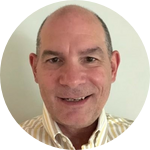
Robert Kuhn
I am originally from Western Pennsylvania and Northern Virginia. I attended the University of Georgia for my BS and MS. I worked for 2 years at the Georgia Environmental Protection Division Solid Waste and 1 year in private consulting as an environmental scientist. I transitioned to teaching at Coile Middle School in Winterville, GA in 1997 and Centennial High School in Roswell, GA in 1999 where I primarily taught AP and honors biology. I changed school settings in 2021 to Innovation Academy STEM School where I now teach biotechnology and sponsor DNA Club.
The team will consist of 4-5 high school students (grades 10-12). The team is part of a larger independent research club called DNA Club which currently has 40 students. The students perform this research on their own time. There are no grades involved, so it is an intrinsic endeavor for them. The goal of DNA Club is for students to perform high level independent biology research in high school.
Additional Information
This project will support 4-5 public high school student researchers.
Project Backers
- 6Backers
- 12%Funded
- $190Total Donations
- $31.67Average Donation