About This Project
Little is known about biodiversity in the soils and leaf litter of California’s Eastern Sierra. I will collect soil, leaf litter, insect, and eDNA samples across sites to ask: what species are present, and how does diversity change across the region? I predict that eDNA sampling will reveal higher species richness than traditional insect collection methods. This project will create baseline data to support conservation and future monitoring.
Ask the Scientists
Join The DiscussionWhat is the context of this research?
I’ve always been fascinated by the hidden life beneath our feet—within the soil and leaf litter. Hiking the Eastern Sierra, I notice the desert floor changes drastically from valley to valley, yet little is known about its inhabitants. Scientists know that these soils and leaf litter host vast communities of invertebrates, fungi, and microbes, which are foundational to healthy ecosystems (Bardgett & van der Putten 2014). Insects and other arthropods here are essential for nutrient cycling and serve as sensitive environmental indicators (Hooper et al. 2012).
Recently, environmental DNA (eDNA) has emerged as a powerful tool for detecting cryptic species overlooked by traditional surveys. This innovative technique is especially valuable in the Eastern Sierra, a vital transition zone between alpine, desert, and montane habitats. Understanding its eDNA inspires me and could uncover patterns essential for monitoring and protecting the Sierra’s unique habitats.
What is the significance of this project?
Most of California’s biodiversity surveys focus on plants, vertebrates, or charismatic insects, leaving the species living in soil and leaf litter almost entirely undocumented. Yet these organisms form the base of forest food webs, drive nutrient cycling, and act as sensitive indicators of ecosystem change (Bardgett & van der Putten 2014). Without baseline data on these communities, land managers and conservationists have no way to detect losses, track the spread of invasive species, or evaluate how climate change and wildfire are reshaping forest ecosystems in real time.
This project fills that gap by creating a coordinated dataset of soil, leaf litter, and insect biodiversity across California’s Eastern Sierra, including cryptic species detected only by environmental DNA. These data will immediately provide a reference point for future monitoring and restoration efforts.
What are the goals of the project?
With this funding, I will conduct a coordinated biodiversity survey across 8–10 sites along California’s Eastern Sierra, spanning sagebrush to montane forest habitats. At each site, I will collect 3–5 soil samples, 3–5 leaf litter samples, 2–3 eDNA samples, and 50–100 insect specimens, generating ~80–120 environmental samples and several hundred specimens total. This sampling density is consistent with comparable rapid biodiversity assessments and is sufficient to capture both common and cryptic taxa across habitat gradients.
All samples will be cataloged with metadata and processed by CalATBI to produce a baseline dataset for future monitoring.
Outreach will include an infographic combining art and data, ensuring results reach local communities, scientists, and conservation partners.
Budget
This funding will support the core fieldwork. Travel funds ($1,200) will allow me to reach multiple remote sites along the Eastern Sierra, ensuring I can collect standardized data across diverse habitats. Field supplies ($1,000) such as sterile sample bags, insect vials, ethanol, gloves, and coolers are essential for collecting leaf litter, soil, insect, and eDNA samples without contamination. Outreach and reporting funds ($300) will support creating an infographic, helping ensure results are shared with communities and conservation partners.
I plan to complete sampling during the 2026 fall field season, when conditions are suitable for insects and eDNA collection. This grant funds the critical field component of a larger effort to establish long-term biodiversity monitoring in the Eastern Sierra, providing the foundational data on which future analyses and conservation recommendations will depend.
Endorsed by

 Project Timeline
Fieldwork will occur in fall 2026. In October, I will survey 8–10 Eastern Sierra sites, collecting soil, leaf litter, insect, and eDNA samples. Late October will focus on cataloging and metadata. Samples will be sent for processing in early November. Data synthesis will occur in November–December, followed by creation and sharing of an infographic by the end of December 2026.
Apr 24, 2026
Project Launched
Oct 01, 2026
Travel to Eastern Sierra and collect samples
Oct 21, 2026
Catalog samples and finalize metadata
Nov 01, 2026
Send all samples for processing
Nov 01, 2026
Data synthesis and preliminary analysis
Meet the Team
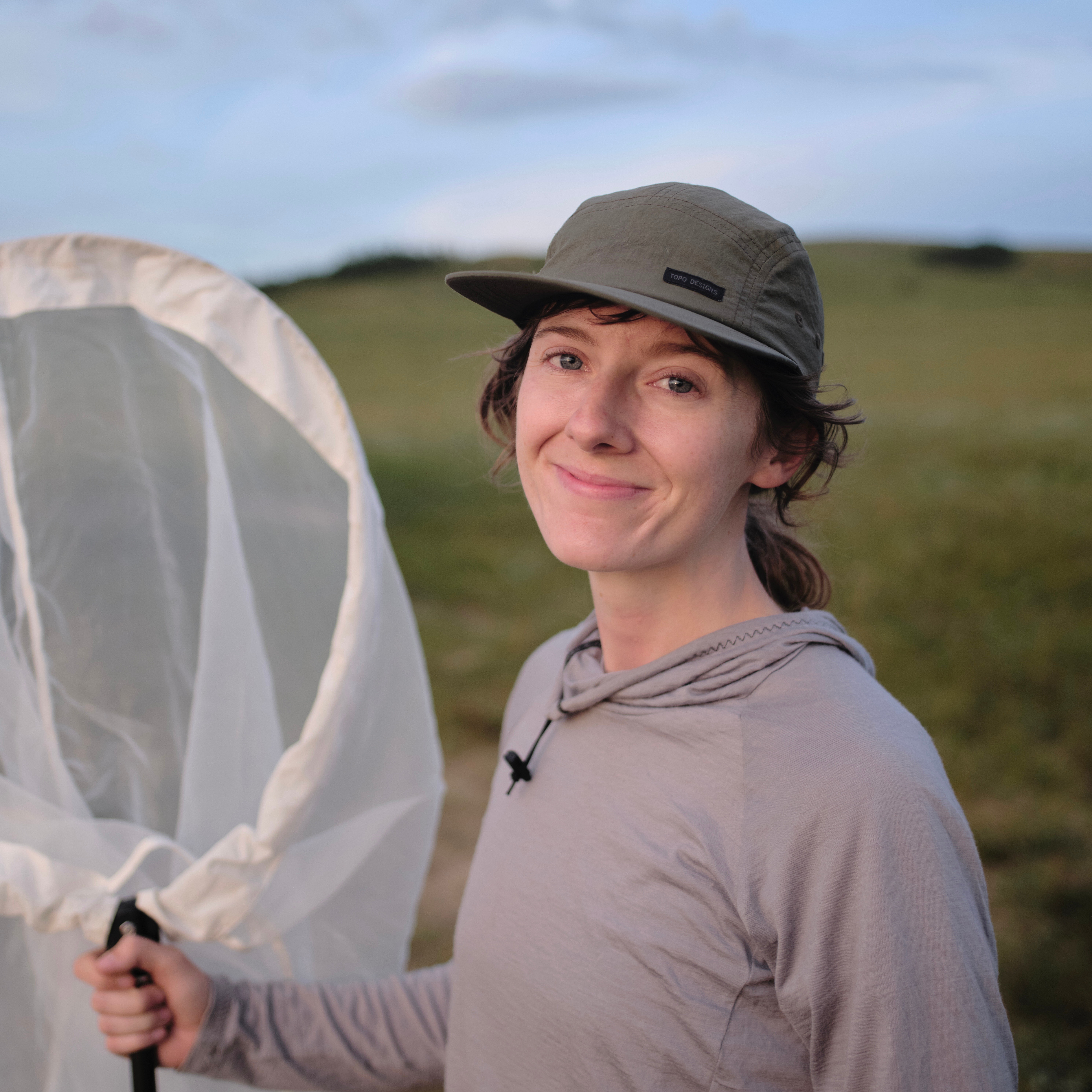
Madison Sankovitz
I’m Madison Sankovitz, an ecologist and entomologist based in Colorado. I received a BA in ecology and evolutionary biology from University of Colorado Boulder and a PhD in entomology from University of California Riverside. My research has focused on pollinators, invasive species, and the hidden biodiversity that sustains ecosystems. I’ve led field projects from high-altitude glaciers to Southeast Asian forests and am passionate about making science accessible and collaborative. I currently work as a communications specialist for the Xerces Society for Invertebrate Conservation. This Eastern Sierra project builds on my experience studying insects and environmental DNA to create a baseline of the region’s overlooked desert-floor life.
Project Backers
- 2Backers
- 100%Funded
- $2,510Total Donations
- $1,255.00Average Donation