About This Project
Small-scale agriculture has the potential to improve crop production methods. Exploring how small-scale agricultural practices impact the structure and function of the soil microbiome is an important step in understanding how agricultural practices impact ecosystem function. This study will use an Epi-Fluorescence Microscope to examine soil to visualize the soil structure and function on-site and in real time, to inform the research and the farmer.
Ask the Scientists
Join The DiscussionWhat is the context of this research?
This project comes from a need to better understand how land stewardship affects (cover cropping, tillage, etc.) the soil microbiome, especially in an agricultural setting. The soil microbiome is a key factor in many ecosystem functions, like nutrient cycling, carbon sequestration, pest management, etc. Hermans 2023 describes the soil microbiome as an essential component of regenerative agroecosystems. Emphasising the need for a more holistic understanding of the soil microbiome. There is a need for sustainable agricultural practices, and agroecosystem biodiversity above and below ground plays a significant role in ecosystem functions. We need farmers and ecologists to work together to better understand and enhance agroecosystem functions, to create more sustainable agricutlural practices.
What is the significance of this project?
Understanding how land management decisions affect soil microbiome dynamics is an important part of the path towards sustainable agriculture and land management practices. Observing the soil microbiology in real time allows people to connect and understand the microbial life they are cultivating in an agricultural setting. They can see the impacts of their farming decisions on the microbial community. Microscopy is important for this because it is visual and easier to understand than DNA Analysis or other soil testing reports that need to be sent to a lab. I can visit a farm with this microscope and show the farmer directly the microbial activity around their farm. The power of the immediacy and the visual nature of microscopy have the potential to help farmers choose more ecologically sustainable farming practices.
What are the goals of the project?
The goals of this research project are to purchase a traveling soil microscope kit. The kit includes the basic microscope, as well as all of the needed microscopy accessories and equipment.
For this study, the microscope will travel to around 10 small-scale farms (less than 25 acres in production) across New England that grow with an ecological and sustainable mindset (organic, regenerative, biodynamic). Soil samples will be taken across the farms, in both cultivated and non-cultivated farming areas.
The microbial biodiversity (number of species and estimated quantity of each species) will be recorded three times throughout the season, for each farm. (beginning of the growing season, mid-season, and end of season).
This data will be used to track and monitor how microbial diversity and activity change throughout the season, across the various locations of the farm.
Budget
The majority of the funding for this research will go to the soil microscopy equipment. This equipment will not only support this research project, but also many more moving forward. I plan to use this equipment for this pilot project, to then move into a larger project for my PhD dissertation at Antioch University New England. Ideally, this equipment can be continually used in different agricultural settings to educate farmers, gardeners, composters, and more. I am hoping to share the world of soil microbiology through microscopy to better inform people about their land management decisions.
Endorsed by

 Project Timeline
This project is being used as a pilot project before I start my dissertation research project at my university. In order for this research to occur, I need to purchase a traveling soil microscopy kit. This is important for both the study but also to show the farmers in real-time what their soil microbiology looks like. I will then finalize my list of farmers to work with, collect data, and share my analyzed results that winter.
Aug 12, 2025
Project Launched
Oct 01, 2025
Purchase microscope
Oct 31, 2026
Complete Research
Feb 01, 2027
Report Findings
Meet the Team
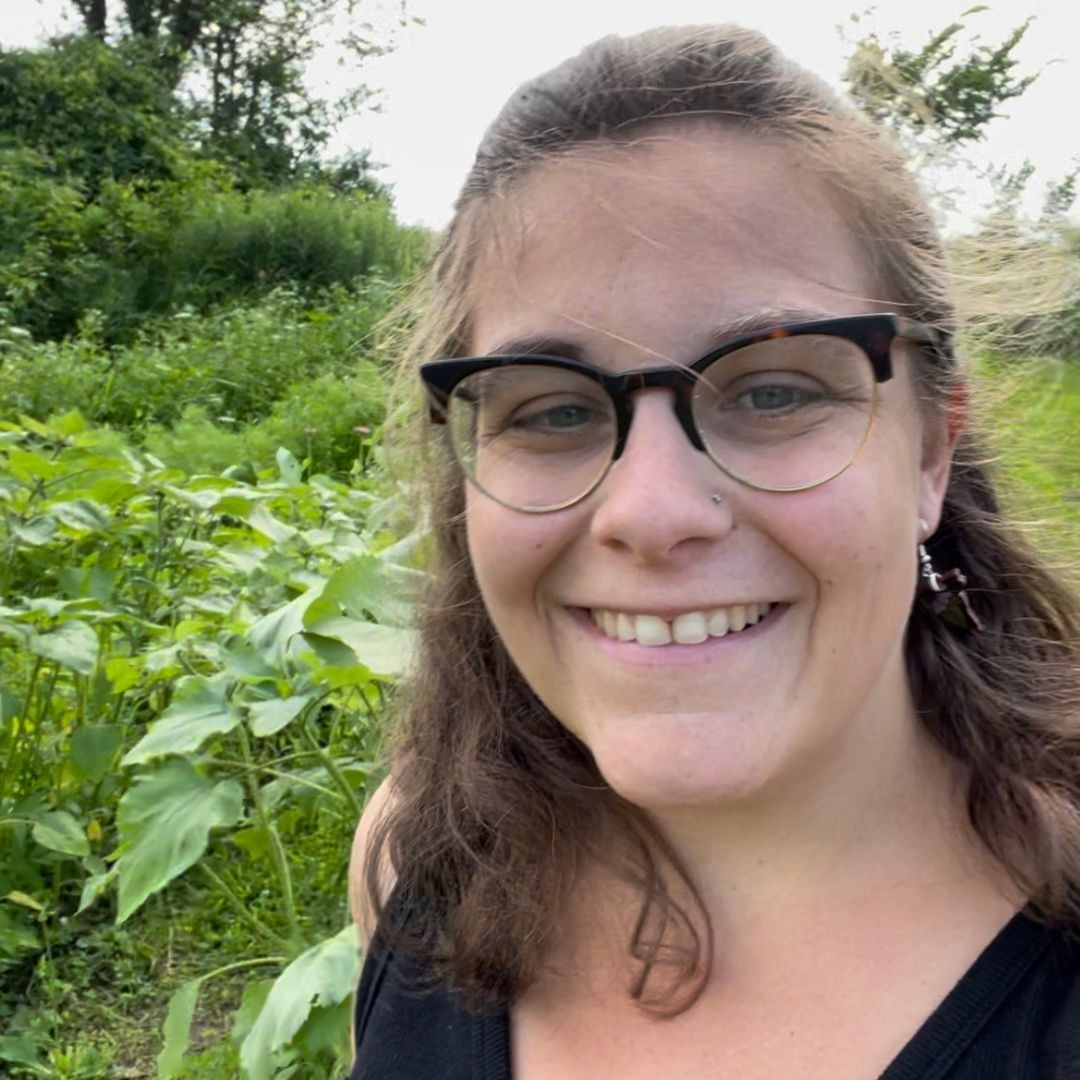
Casey Hansen
Hello! My name is Casey Hansen, and I am an educator, a student, a mother, and a hobby flower farmer. My undergraduate degree is in Molecular Genetics, my Master's degree is in Education, and I am pursuing a Doctorate at Antioch University in Environmental Studies. I am also currently a high school math and science teacher. For my dissertation, I am hoping to study how soil microbial activity is impacted by land management decisions. In my dream world, I am traveling to farms, sampling their soil, and educating them about the microbial activity found and how to increase soil biodiversity.
Additional Information
Link to the microscope package - https://www.hiwasseeproducts.c...
Project Backers
- 10Backers
- 15%Funded
- $713Total Donations
- $71.30Average Donation