About This Project
This project examines how nearshore fisheries influence the movement and hunting behavior of endangered Hawaiian false killer whales (Pseudorca crassidens). By assessing their reliance on fishing activity, the study aims to reveal changes in natural foraging, risks to long-term survival, and inform conservation strategies. Using acoustic monitoring, satellite tagging, and fisheries data, the project supports efforts to balance marine wildlife protection with sustainable fishing practices
.
Ask the Scientists
Join The DiscussionWhat is the context of this research?
This project aims to understand how interactions with nearshore fisheries affect the movement and hunting behavior of endangered false killer whales. These whales risk becoming dependent on human activity, which can harm their survival. Reports dating back to 1963 show false killer whales stealing fish from longlines off Hawaii, and this behavior has become common (Baird et al.). Such reliance may cause them to lose their natural cooperative hunting skills, which involve deep, long-distance pursuits of prey. When feeding off of nearshore fisheries, they don’t utilize cooperative hunting techniques, thus leading to behavioral changes that can affect population health. (Fisheries Interactions With Marine Mammals - Marine Mammal Commission, 2022) Preventing further dependence on fisheries is vital to preserve their natural abilities and ensure long-term survival.
What is the significance of this project?
This study will guide conservation strategies for false killer whales, which have a population of approximately 5,500 individuals in the pelagic population, and between 150 and 200 individuals in the main Hawaiian Islands insular population (Marine Mammal Commission, 2025). By understanding how interactions with nearshore fisheries alter their spatial use and hunting behaviors, researchers can assess the risks of human-induced behavioral changes- such as dependency on fishing vessels for food. These changes can reduce the whales' ability to survive independently, affecting their long-term survival and ecosystem role. The study also provides critical insights for regulating fisheries to minimize harmful interactions, promoting a balance between marine wildlife protection and human industry.
What are the goals of the project?
The goal of the study is to understand how interactions with nearshore fisheries influence the movement patterns and hunting behavior of false killer whales. Specifically, the study will examine variables such as echolocation clicks associated with foraging, spatial movement data, dive behavior, foraging success rates, and frequency of close proximity to active fishing vessels. By identifying how these interactions affect the whales—especially their tendency to rely on fishing operations for food—the study aims to inform effective conservation efforts and help establish fishery regulations that protect this endangered species and support their long-term survival in the wild.
Budget
Our budget directly supports a comprehensive, one-year study to investigate how Hawaiian false killer whales are impacted by fishing activity. Funds will help us use passive acoustic monitoring to characterize whale vocalizations associated with foraging behavior in areas with high levels of fishery activity including fisheries that span across the main Hawaiian Islands compared to areas with low levels of fishery activity including the Northwestern Hawaiian Islands and offshore seamounts & pelagic zones. Satellite-linked tags will track individual whales’ movements and diving patterns to reveal their behavior. To assess overlap and potential conflict zones, we’ll use fisheries vessel tracking data and bycatch reports to analyze whale and fishery interaction. Additional support for travel and field equipment will ensure that we can carry out data collection. These will all give a multi-method approach to understanding the impact of fisheries on Hawaiian false killer whales.
 Project Timeline
This project will take place over one year. Early efforts will focus on organizing logistics and setting up equipment. Field data collection will follow shortly after. As data is collected, we’ll begin identifying patterns in movement, diet, and foraging activity over multiple months. The final months will bring everything together, with a focus on interpreting results, sharing findings, and laying the groundwork for future research and conservation efforts.
Jun 05, 2025
Final site selection, permitting, gear set up
Aug 06, 2025
Deploy hydrophones, tag whales
Dec 16, 2025
Retrieve acoustic data, continue monitoring tagged whales
Apr 10, 2026
Analyze acoustic, movement, and fishery data
Jun 12, 2026
Interpret results, write report
Meet the Team
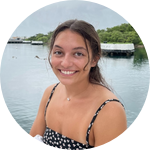
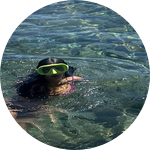

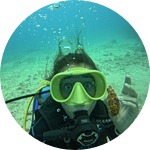

Team Bio
We’re a team of passionate marine conservation biologists dedicated to protecting Hawaii’s ocean life — especially species like the false killer whale. By studying their foraging habits and how they interact with fishing operations, we hope to find solutions that support both marine wildlife and sustainable fishing. At the heart of our research is a deep respect for the ocean and a commitment to keeping its ecosystems healthy for generations to come.
Isabella Wilson
I am a marine biology student at the University of Hawai'i at Manoa, focusing on the study of ocean ecosystems and marine life. I am interested in environmental conservation and marine research especially related to advancing our understanding of marine biodiversity and the challenges that come with climate change. I am eager to contribute to the scientific community and protect our oceans for future generations.
Aria Gurule
I am a Marine Biology student at the University of Hawaiʻi, passionate about safeguarding marine ecosystems and supporting ocean conservation. I’m especially interested in marine ecology and the ways human activity influences marine species and environments. Through my studies, I hope to contribute to research and conservation efforts that protect ocean life and promote sustainable interactions with marine ecosystems.
Gabrielle Rochon
I am currently pursuing my Bachelor of Arts in Marine Biology at the University of Hawai'i at Mānoa, and I hope to use my degree in the areas of conservation, education, and advocacy. Growing up surrounded by water in Seattle, WA, I've always been fascinated by aquatic animals, specifically marine mammals. Now more than ever, I believe it is crucial to use scientific research to protect these animals and their complex habitats.
Maya Sabo
Hi! I'm a third year marine biology major at UH Manoa. I grew up in Colorado but have always felt pulled to the ocean. I would love to work in coral restoration after I graduate and care deeply about the fragile marine ecosystems I have come to know in Hawaii.
Lisa Munger
Dr. Lisa Munger
Lab Notes
Nothing posted yet.
Additional Information
Project Backers
- 0Backers
- 0%Funded
- $0Total Donations
- $0Average Donation