About This Project
The conversion of CO2 into carbonate minerals is a potentially scalable technology for CO2 removal. Most approaches so far use silicate rocks to source the cations needed. While abundant, silicate rocks require a high energy input to mine and grind into fine particles. Here, we propose the use of phosphogypsum (CaSO4·2H2O) as an alternative Ca2+ source, combined with the use of sulfate-reducing bacteria to sequester carbon from organic wastes (e.g., municipal sewage) into CaCO3 minerals.
Ask the Scientists
Join The DiscussionMotivating Factor
The conversion of CO2 into carbonate minerals – the so-called carbon mineralization – is a potentially scalable technology for CO2 removal, with an estimated capacity of storing >100,000 gigatons of CO2 in naturally existing mineral deposits [1]. Currently, most approaches use silicate rocks (olivine, basalt etc.) to source the cations (Ca2+, Mg2+) needed for CO2 mineralization. While abundant in the Earth’s crust, silicate rocks require a high energy input to mine and grind into fine particles. Alternative mineral sources for CO2 mineralization are needed, for which we propose the use of phosphogypsum (CaSO4·2H2O) – an industrial byproduct of phosphoric acid production. With a global production of ∼300 million tons of phosphogypsum (PG) per year and an already existing stockpile of ∼10 gigatons of PG globally [2], this corresponds to a sequestration capacity of ∼75 million tons of CO2 per year with newly produced PG and ∼2.5 gigatons of CO2 with the current stockpile of PG.
Specific Bottleneck
The conversion of CaSO4 to CaCO3 requires not only the Ca2+ released from PG dissolution but also dissolved inorganic carbon generated from the sulfate reduction process facilitated by sulfate-reducing bacteria (SRB). To make this process a meaningful technology for CO2 removal from the air, an appropriate carbon source for the SRB needs to be carefully selected. Previous studies have shown that human and animal feces (which directly contribute CO2 and CH4 to the air) can be cost-effective sources of electron donors for SRB [3]. The idea of utilizing PG reduction by SRB to sequester carbon from sewage/manure into CaCO3 minerals, however, remains rarely explored. Such research is constrained by the complex organics composition of sewage/manure and the vastly diverse microbial species they fuel. A systematic understanding of the organic substrates available and how SRB compete with other microbes for organics in the presence of PG is needed to ensure successful carbon sequestration.
Actionable Goals
Sulfate-reducing microbial communities should be enriched from natural sulfidogenic environments (e.g., marine sediments, sulfur mines, and digestive sludge), using organics (electron donors) from sewage/manure and sulfate (terminal electron acceptor) from PG. An appropriate medium with an optimized loading ratio of sewage/manure to PG should be developed to maximize electron flow towards sulfate reduction rather than other processes particularly methanogenesis. A range of microbial communities and their corresponding growth conditions should be screened towards maximized PG to CaCO3 conversion. Ideally, high-throughput biochemical assays that quantify CaCO3 precipitation without having to sacrifice the microbial culture should be developed. To better evaluate the scalability of this technology, pilot studies through operation of benchtop continuous flow bioreactors should be performed beyond batch cultures.
Budget
See Solution Statement for budget breakdown.
Meet the Team
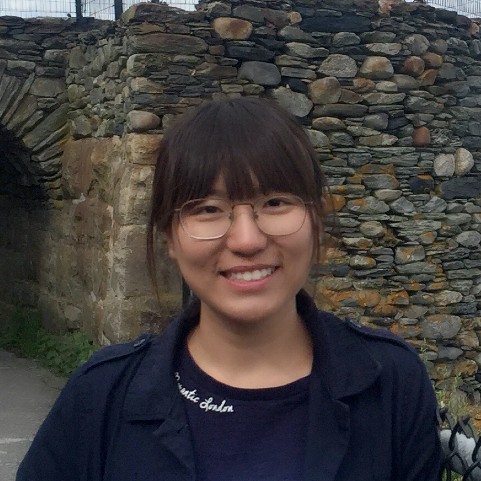
Our team is composed of 5 members: (1) Dr. Hui Sun (postdoctoral associate at MIT), who is the lead of this project; (2) Gage Coon (PhD student at MIT), who spearheads the operation of benchtop bioreactors; (3) Dr. Tanja Bosak (Professor of Geobiology at MIT); (4) Dr. Oliver Jagoutz (Professor of Geology at MIT); and (5) Dr. Ed Boyden (Professor of Neurotechnology at MIT, HHMI investigator). Tanja, Oliver, and Ed collectively serve as the project's scientific advisors.
Hui Sun
Hui completed her PhD in Civil and Environmental Engineering at MIT, where she worked on directed assembly of structural proteins into functional materials for AgroFood sustainability. As a postdoc, she is now working on biologically catalyzed carbon sequestration. She hopes to leverage her background in materials science and microbiology, along with newly acquired skills in biogeochemistry to develop efficient negative emission technologies for tackling climate change.
Project Backers
- 0Backers
- 0%Funded
- $0Total Donations
- $0Average Donation