About This Project
Access to EEG testing is limited in underserved communities in Columbia, leaving many children with seizures undiagnosed. We are piloting a mobile phone–compatible EEG platform with AI support, to assess technical and logistical feasibility of implementation & to gather patient, caregiver, and clinician perspectives. By combining brief recording sessions, interviews, and questionnaires, this study will generate early evidence on how portable EEG can expand equitable access to seizure diagnosis.
Ask the Scientists
Join The DiscussionWhat is the context of this research?
Globally, ~80% of individuals with epilepsy live in low- and middle-income countries, where diagnostic and treatment gaps persist. Access to neurodiagnostic testing is limited in rural areas, where distance from hospitals and specialty centers delays diagnosis and care. Mobile EEG platforms, combined with tele-neurology, have emerged as promising solutions to improve access, adherence, and outcomes. Ceribell is an AI-powered, portable EEG headband and cloud platform that allows rapid seizure detection in emergency room settings. The BrainCapture (BC-1) is a full EEG device that can generate high-quality recordings even by inexperienced users. This project aims to evaluate clinician, patient, and caregiver perspectives on portable EEG, testing acceptability, and preliminary clinical performance in rural Columbia. Insights will inform strategies for integrating portable EEG into care pathways, particularly in underserved populations and regions with high seizure burden.
What is the significance of this project?
This will be the first study using cutting edge portable EEG systems with an AI-assisted diagnostic element in a rural setting in Columbia, where children in particular are faced with high epilepsy and seizure burden. This is in support of WHO's published plan to address global epilepsy gaps in care. The findings will be an important step toward validating a field-friendly, portable neurodiagnostic approach, helping reduce barriers to care in underserved and rural populations. By demonstrating usability for clinicians, patients, and caregivers, this project can inform strategies for implementing accessible, cost-effective EEG diagnostics and expand equitable access to neurological care where the burden of seizure disorders is highest. Importantly, we are starting with special attention to the perspectives that people have about what barriers this solution may help with, staying open-minded about challenges and gaps that may exist.
What are the goals of the project?
The primary goal of this project is to evaluate the feasibility and acceptability of the mobile EEG platform among clinicians, patients, and caregivers in Columbia, including underserved and rural settings. We aim to determine whether clinicians and families find the system usable and trustworthy, and whether brief patient recordings yield interpretable data comparable to standard EEGs. Secondary goals include assessing preliminary caregiver experience, including reduced travel burden and willingness to repeat testing, and gathering insights to inform larger studies on clinical agreement with hospital-based EEGs. Reads from the device may be compared to the current gold standard for patients with existing diagnoses. Overall, the project seeks to generate early evidence supporting portable, field-friendly neurodiagnostics to expand access and improve care for patients with seizure disorders.
Budget
This budget will allow our student-led team to rigorously ask the research questions proposed.
To answer the following detailed hypothesis...
"Use of a mobile EEG platform will be feasible and acceptable to clinicians, patients, and caregivers in Texas, as evidenced by: (a) ≥80% of clinicians and ≥80% of patients/caregivers rating overall acceptability ≥4 on a 5-point Likert scale; and (b) ≥85% successful EEG acquisitions (defined as ≥10 minutes of interpretable recordings)."
We aim to:
Recruit pediatric neurologists in target communities and patients/caregivers with prior EEG diagnostic experience.
-
Conduct semi-structured interviews; brief portable EEG sessions for consenting patients.
-
Compare portable readings with standard hospital EEGs.
-
Qualitative analysis via Dedoose; post-use surveys and device demonstrations.
-
Assess battery life, phone app use and ease-of-interpretation, data handling, portability, and implementation logistics.
 Project Timeline
In the milestones below are example targets for dates, but we will respect the timeline of ethical review and feedback from our clinical mentors.
Over the course of the study, initial recruitment, pilot recordings, and interviews will be conducted, followed by preliminary analysis and reporting. Findings will generate early evidence supporting portable, field-friendly neurodiagnostics and inform strategies to expand access to care for patients with seizure disorders.
Sep 30, 2025
Planning, document preparation & protocol edits
Oct 31, 2025
IRB
Nov 10, 2025
Start interviews with clinicians
Dec 15, 2025
Assess readings with epileptologists
Dec 22, 2025
Visit to target sites to speak with patients, caregivers and perform reads in the field
Meet the Team



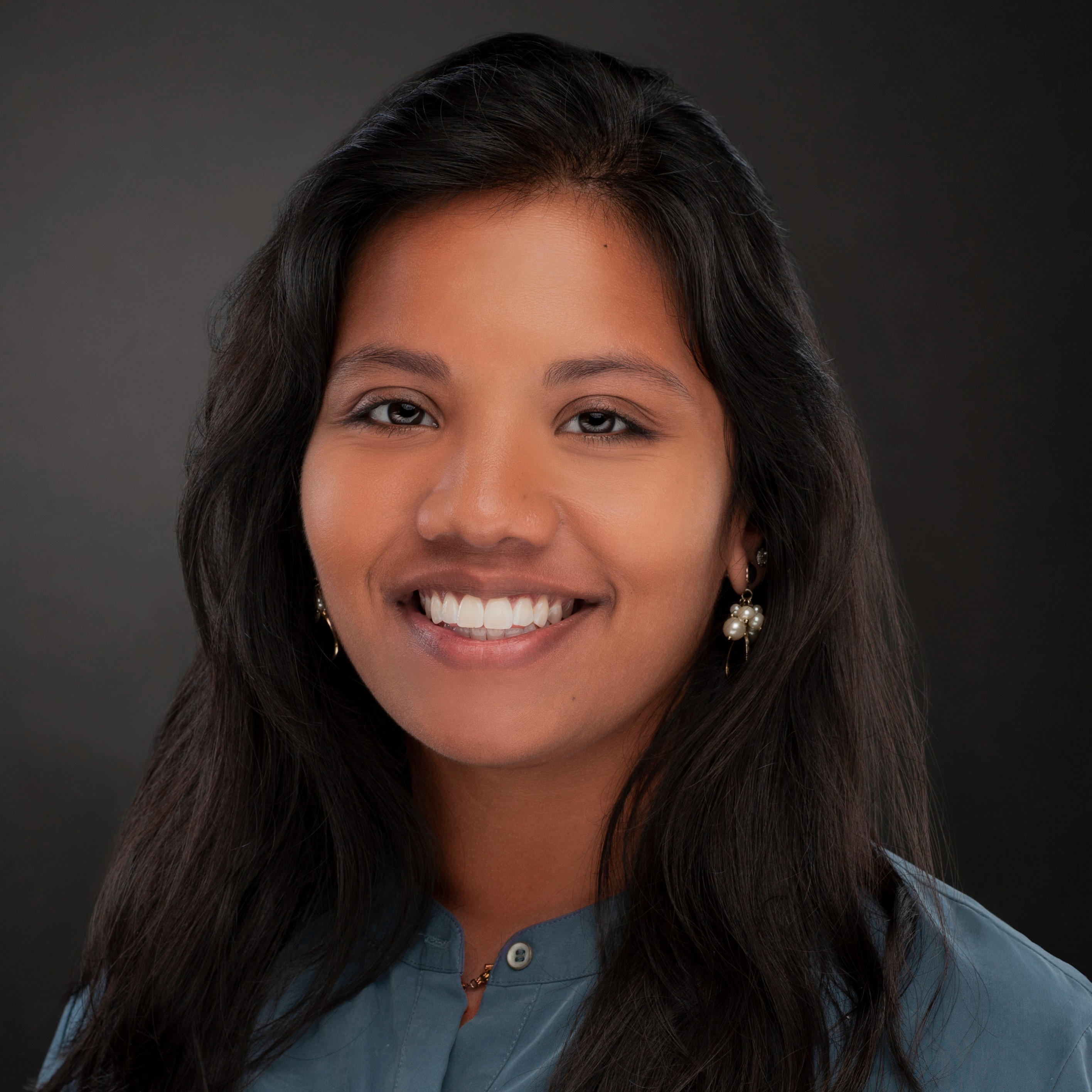
Affiliates
Health In Your Hands is composed of creatives, students of medicine, engineering, global health, biology, media, and anthropology. We envision a world where accessible, community-driven diagnostic and health solutions empower individuals and prevent disease through sustainable innovation. We aim to plant seeds of interdisciplinary collaborations, innovative technology, and education to grow scalable, effective, and accessible One Health solutions.
William McCarthy
Hi! I am a lifelong learner, medical student at UTHealth Houston McGovern Medical School, researcher, and writer. I am passionate about environmental health and global health, and channel my curiosity through creative science methods, microscopy, art, and health education efforts. I approach health problems with an open mind, and try to take a widened view of social and ecological forces that shape human illness & healing.
Jon Beaubrun
Jon is a chemical engineer with experience working in the semiconductor industry as an engineer focused on technology transfer and high volume manufacturing of transistors. Jon also has experience with technology de-risk and scale-up in controlled environment agriculture working on projects ranging from vetting novel sensing technologies to scaling from R&D/pilot to commercial scale production.
Additional Information

Armand Larsen S, Klok L, Lehn-Schiøler W, Gatej R, Beniczky S. Low-cost portable EEG device for bridging the diagnostic gap in resource-limited areas. Epileptic Disord. 2024;26:694–700. https://doi.org/10.1002/epd2.20266
Please follow the link below for more information about Ceribell headband:
Project Backers
- 0Backers
- 0%Funded
- $0Total Donations
- $0Average Donation