About This Project
This study investigates how sound frequencies and vibroacoustic stimulation influence human physiological and sensory response during simulated microgravity. Using parabolic flight environments, the research aims to evaluate potential effects on stress regulation, relaxation, cognitive response, and overall human performance to support future astronaut wellness and long-duration spaceflight missions.
Ask the Scientists
Join The DiscussionWhat is the context of this research?
As human spaceflight expands toward longer missions to the Moon, Mars, and beyond, understanding how microgravity affects the human body and mind becomes increasingly important. While significant research exists on physical health in space, less is known about how sound frequencies and vibroacoustic stimulation may influence stress, sensory processing, relaxation, and overall human performance in microgravity. Vibroacoustic therapy has been shown to promote relaxation and reduce stress in terrestrial settings. This project will be conducted through the microgravity human test subjects program in collaboration with the National Research Council of Canada, using parabolic flights to simulate near-weightless conditions while evaluating physiological and sensory responses to controlled sound-frequency exposure.
What is the significance of this project?
This project explores a largely understudied area of human factors research: how sound frequencies and vibroacoustic stimulation may affect human physiology and sensory response during microgravity exposure. Long-duration spaceflight places unique stressors on astronauts including isolation, sensory adaptation, altered vestibular response, and psychological fatigue. Understanding whether controlled acoustic environments can support relaxation, stress mitigation, and cognitive performance may contribute to future astronaut wellness strategies and human performance optimization during space missions. Findings may also have Earth-based applications in stress management and sensory regulation research.
What are the goals of the project?
The goals of this project are to evaluate how controlled sound frequencies influence human physiological and sensory response during simulated microgravity conditions, document participant observations and biomonitoring data during vibroacoustic exposure, and assess the feasibility of incorporating frequency-based relaxation techniques into future human spaceflight operations. Additional goals include gaining specialized astronautics and human test subject training, conducting safe and repeatable in-flight testing during parabolic flight, and contributing preliminary data to support future microgravity human factors research.
Budget
Funding for Microgravity Human Test Subjects will provide specialized training in human test subject research, biomonitoring, life support systems, crew resource management, and space suit operations within a microgravity environment. The course culminates in a parabolic flight campaign with the National Research Council of Canada, enabling hands-on evaluation of human physiological response during simulated weightlessness. Funding for the sound machine will support controlled vibroacoustic exposure testing to evaluate how sound frequencies may influence stress, sensory response, relaxation, and overall human performance during microgravity operations. Travel funding will cover transportation, lodging, and logistics for participation in the BIO 601 microgravity research campaign and NRC Canada parabolic flight operations, supporting hands-on research, astronautics training, equipment transport, and in-flight data collection in a simulated microgravity environment.
Endorsed by



 Project Timeline
This project includes development of the Test Experiment Data Package (TEDP), astronautics and human test subject training, testing of vibroacoustic equipment, and in-flight research during the November 2026 microgravity campaign with the National Research Council of Canada. Following flight operations, observations and biomonitoring data will be reviewed and compiled into a preliminary findings summary.
Jun 10, 2026
Project Launched
Aug 01, 2026
Complete TEDP Development and Research Preparation
Aug 08, 2026
Book Travel & Lodging to Canada
Sep 06, 2026
Complete Terrestrial Data Collection and Baseline Analysis
Nov 01, 2026
Microgravity Flight Operations & Data Acquisition
Meet the Team
Affiliates
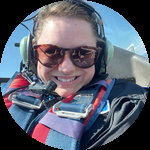
Jenee’ Nicole Fox
Jenee’ Nicole Fox is an independent microgravity researcher, STEM advocate, and children’s book author focused on astronautics, human factors research, and educational outreach. Her work includes research in temporary emergency spacesuit repair techniques during parabolic flight and continued exploration of human physiological response in microgravity environments. Through participation in the Microgravity Human Test Subjects course with the International Institute for Astronautical Sciences (IIAS) and the National Research Council of Canada, she is expanding her research into vibroacoustic exposure and sound frequency effects on human performance during simulated weightlessness.
In addition to her research activities, Jenee’ is passionate about inspiring the next generation of explorers through STEM outreach, public speaking, and educational engagement focused on space science, astronautics, and women in aerospace. Her work bridges science communication, applied research, and human-centered approaches to future space exploration.
LinkedIn | ORICID | NASA / JPL, SSA | SciStarter | Research Gate | Scientific Publication
Lab Notes
Nothing posted yet.
Additional Information
This research will be conducted through the microgravity human test subjects program in collaboration with the National Research Council of Canada and the International Institute for Astronautical Sciences (IIAS). The project focuses on exploratory human factors research evaluating how controlled sound frequencies and vibroacoustic stimulation may influence human physiological and sensory response during simulated microgravity exposure. Testing will occur during parabolic flight operations designed to simulate short-duration weightlessness while following established flight safety procedures and human test subject protocols.
The study aims to investigate potential effects on stress regulation, relaxation, sensory adaptation, and overall human performance in microgravity environments. Data collection may include participant observations, subjective sensory feedback, and biomonitoring metrics when available. Funding will support specialized astronautics and human test subject training, parabolic flight participation, biomonitoring education, space suit technician training, research equipment including a sound frequency device, and required travel logistics associated with flight operations and data collection.
This work builds upon prior independent microgravity spacesuit repair research and continued advocacy for STEM education and women in aerospace research. The long-term objective is to contribute preliminary data supporting future astronaut wellness strategies, human performance optimization, and long-duration spaceflight research.
Project Backers
- 16Backers
- 15%Funded
- $1,405Total Donations
- $87.81Average Donation