

Please wait...
About This Project

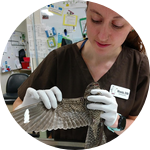
Significant declines in North American songbird populations over the past 50 years highlight the need for research on new and varied threats to these species. Current known contributing factors include habitat loss, pesticide use, and climate change, however little is known about the effects of heavy metal toxicity. This project aims to screen blood lead levels in songbirds admitted to a wildlife hospital to determine the risk of lead exposure and correlate with cause of admission and outcomes.

Browse Other Projects on Experiment
Related Projects
Sequencing genomes to develop a genetic tool and support conservation of the endangered Bermuda cedar
Less than 5% of Bermuda's original cedars survived an insect outbreak in the mid-20th century. In response...
Hidden in plain sight: Discovering the macro lichens of the American Southwest and Northern Mexico
The American Southwest and northern Mexico harbor remarkable lichen diversity, yet many regions remain poorly...
How can a cheap scanner reveal hidden signals in living soil?
Soil looks like one brown background, but water, minerals, organic matter, roots, fungi, bacteria, and decaying...
