About This Project
We propose a self-sustaining microbial system for scalable CO₂ sequestration and biopolymer synthesis using horizontal gene transfer (HGT) to enhance native marine consortia. This one-year proof-of-concept study will establish and optimize a native microbial community where HGT enables cyanobacteria to fix CO₂ into lactic acid, which marine heterotrophs then convert into bioplastics. This work lays the foundation for ocean-based carbon capture and biomanufacturing.
Ask the Scientists
Join The DiscussionMotivating Factor
Rising atmospheric CO₂ levels pose a severe threat to global climate stability, with long-term consequences for biodiversity, food security, and human. While the ocean serves as Earth’s largest carbon sink, absorbing ~30% of anthropogenic CO₂, its natural biological processes are inefficient at converting this captured carbon into stable, long-term storage. At the same time, existing CO₂ mitigation strategies such as direct air capture and land-based microbial biomanufacturing face high energy costs, scalability, and infrastructure issues, limiting their practicality for global deployment. A scalable, biologically driven CO₂ capture system harnesses oceanic microbial processes could provide a transformative way for permanent carbon sequestration while producing valuable bioproducts like biopolymers. These biopolymers are generally biodegradable, reducing environmental waste and dependence on petroleum-based plastics, thereby promoting a more circular economy.
Specific Bottleneck
• Engineered microbes are poorly adapted to native environments, gradually losing function due to mutations, competition, and metabolic burden.
• While native oceanic microbes are inherently stable in marine environments, they exhibit poor CO₂ diffusion rates, energy losses, and metabolic trade-offs, limiting carbon capture and product yields.
• Most engineered microbial systems are optimized for lab conditions but fail to maintain productivity under relevant and dynamic environments
• Bioreactor-based microbial carbon capture systems demand extensive infrastructure, high energy inputs, active maintenance, and costly bioprocessing steps.
There is a need to move beyond static, engineered systems toward adaptive, self-sustaining microbial communities in natural environments.
Actionable Goals
A robust proof-of-concept framework is needed to demonstrate microbially driven, large-scale ocean-based CO₂ capture and conversion:
• Establish an adaptive microbial platform that maintains genetic stability and long-term function in dynamic environments.
• Adapt native marine microbial species for improved CO₂ capture and conversion into usable bioproducts, such as biopolymer.
• Develop strategies to improve resilience of engineered microbial communities to environmental fluctuations.
These milestones would lay the foundation for a biologically driven, self-sustaining carbon capture system capable of operating effectively in marine environments, with potential applications in biomanufacturing and sustainable materials production.
Budget
The items requested are to support personnel, bacterial cultivation equipment, and required quantification reagents for the proposed work.
Meet the Team
Affiliates
Affiliates

Affiliates
We are a team of scientists and engineers driven by a shared passion for building a more sustainable future through innovative, biology-inspired solutions. As faculty in the same department (just down the hall from each other!) we thrive on collaboration, blending expertise in synthetic biology, catalysis, polymer chemistry, and microbial engineering to tackle urgent environmental challenges.
Allison Lopatkin
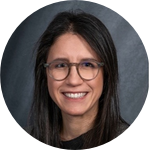
I’m an engineer who loves tackling big problems at the intersection of microbiology, synthetic biology, and chemical engineering. My journey started with a B.S. in Applied Math at the University of Rochester, followed by a Ph.D. in Biomedical Engineering at Duke, and postdoc training at MIT. After launching my independent lab at Barnard and Columbia, I moved it to the University of Rochester, where I now hold joint appointments across multiple departments. My lab focuses on understanding and engineering microbial communities, with a core emphasis on antibiotic resistance and horizontal gene transfer (HGT), which is the process that lets bacteria share genes like trading cards. We’re developing cutting-edge tools to track, model, and control gene flow in complex microbial ecosystems, with big implications for medicine, sustainability, and biotechnology. Our work has been recognized with awards like the NIH R35, NSF CAREER, and Pew Biomedical Scholars.
Gang Fan
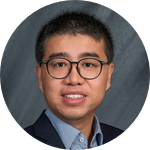
I received my Ph.D. in Chemical Engineering from The University of Texas at Austin in 2019, working with Prof. Nathaniel A. Lynd and Prof. Benjamin K. Keitz. After that, I pursued postdoctoral research at MIT under Prof. Ariel L. Furst. I have authored papers in prestigious journals such as Nature Chemistry, PNAS, and JACS, and have received several accolades, including receiving the PMSE Future Faculty Scholar Prize from the ACS. In spring 2024, I established the Fan Lab in the Chemical Engineering department at the University of Rochester. Our research focuses on interdisciplinary work at the intersection of bioengineering, chemical engineering, and polymer chemistry. Notable achievements include developing atom transfer radical polymerization using electroactive bacteria and creating a novel electrocatalyst immobilization technique using DNA for enhanced CO2 reduction. Recently, my lab was awarded a pilot program from the University of Rochester Medical Center to investigate the impact of plastics on health.
Marc Porosoff
I am passionate about designing better catalysts to turn CO2 and natural gas into useful fuels and chemicals. My academic journey started with a B.S. and M.S. in Chemical Engineering from the Johns Hopkins University. My PhD is in Chemical Engineering from Columbia University. My research focuses on finding smarter ways to make reactions more efficient and sustainable. I also explore how AI and big data can help predict and improve catalyst performance. By combining experiments with cutting-edge tools, I'm working toward a cleaner and more energy-efficient future.
Project Backers
- 0Backers
- 0%Funded
- $0Total Donations
- $0Average Donation