



Please wait...
About This Project

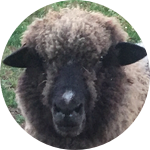
Sheep come in a variety of different patterns and colors, with black or white individuals being the most common. Brown is another rarer option, often called Moorit. There are no genetic tests currently available for shepherds to identify moorit carriers. Our project aims to identify the genetic variants responsible for moorit in sheep using a candidate gene sequencing approach. Discovering the genetic basis for moorit will allow shepherds to make more informed breeding decisions in their flocks.
More Lab Notes From This Project

Browse Other Projects on Experiment
Related Projects
Sequencing genomes to develop a genetic tool and support conservation of the endangered Bermuda cedar
Less than 5% of Bermuda's original cedars survived an insect outbreak in the mid-20th century. In response...
Hidden in plain sight: Discovering the macro lichens of the American Southwest and Northern Mexico
The American Southwest and northern Mexico harbor remarkable lichen diversity, yet many regions remain poorly...
How can a cheap scanner reveal hidden signals in living soil?
Soil looks like one brown background, but water, minerals, organic matter, roots, fungi, bacteria, and decaying...
