



Please wait...
About This Project

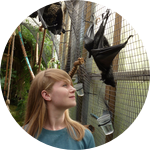
Livingstone's fruit bats (Pteropus livingstonii) are one of the rarest bats in the world, with only 1260 left in the wild. A captive breeding program of 71 individuals exists as a safeguard against extinction.
Funding would enable the vital investigation of relatedness in captive bats, allowing for the prevention of inbreeding, the assessment of hereditary diseases, the comparison of wild and captive genetics and ensure the continued success of the captive breeding program.

Browse Other Projects on Experiment
Related Projects
Sequencing genomes to develop a genetic tool and support conservation of the endangered Bermuda cedar
Less than 5% of Bermuda's original cedars survived an insect outbreak in the mid-20th century. In response...
Hidden in plain sight: Discovering the macro lichens of the American Southwest and Northern Mexico
The American Southwest and northern Mexico harbor remarkable lichen diversity, yet many regions remain poorly...
How can a cheap scanner reveal hidden signals in living soil?
Soil looks like one brown background, but water, minerals, organic matter, roots, fungi, bacteria, and decaying...
